
The Importance of Safe Food Colours in Processed Foods
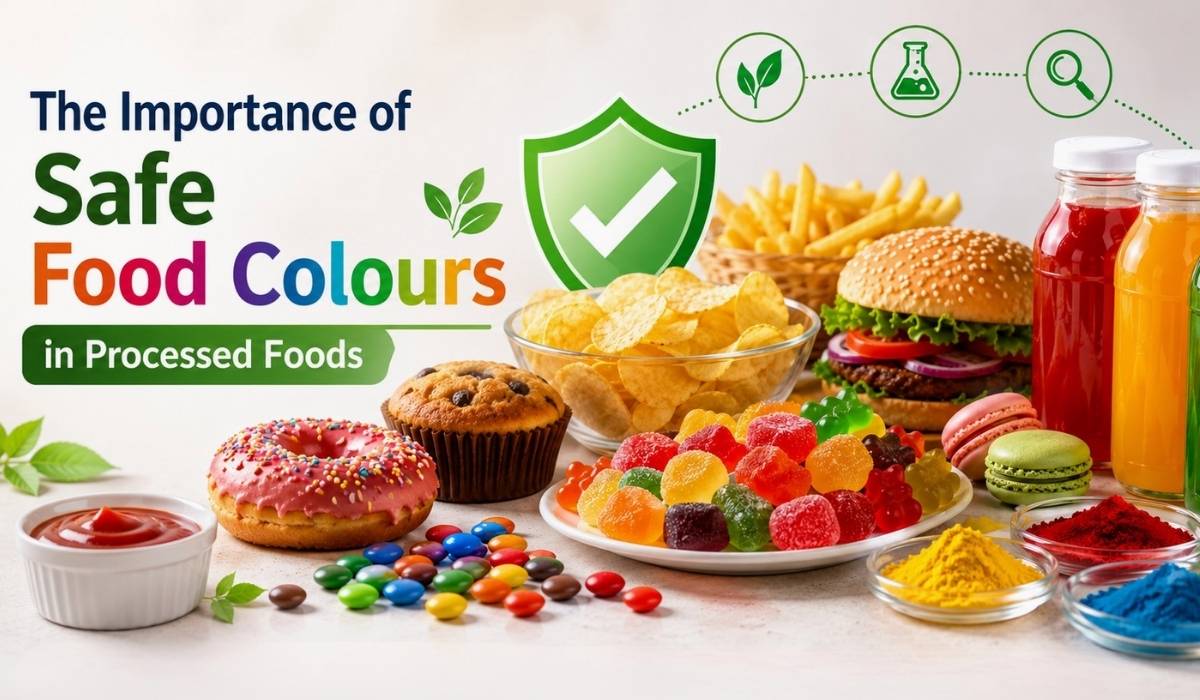
Food colours play an important role in the appearance and appeal of processed foods. Consumers often associate colour with freshness, flavour, and quality, making it a key element in modern food manufacturing. As the processed food industry continues to expand, the demand for safe and stable colouring solutions has increased significantly. Manufacturers and consumers alike now place greater emphasis on food safety, quality standards, and ingredient transparency. Businesses seeking reliable colouring solutions often evaluate the expertise offered by a Synthetic & Natural Food Colour Manufacturer to ensure product consistency and safety across different food applications.
Why Food Safety Matters in Colour Solutions
Safe food colours are essential for maintaining consumer trust and supporting regulatory compliance in the food industry. Processed foods undergo multiple production stages, including heating, mixing, storage, and packaging, which require stable colouring solutions that can withstand changing conditions without affecting product quality.
Food colours must meet strict safety and quality standards because they directly interact with consumable products. Reliable colour solutions help manufacturers achieve:
- ● Consistent product appearance
- ● Improved shelf stability
- ● Better consumer confidence
- ● Compliance with food safety regulations
- ● Enhanced product identity
The use of properly tested and approved colours also reduces the risk of contamination and ensures safer food production practices.
Applications of Safe Food Colours in Processed Foods
Food colours are widely used across different processed food categories to improve appearance and maintain consistency. The choice of colour depends on the product type, manufacturing method, and consumer expectations.
Bakery Products
Cakes, pastries, and decorative toppings often use food colours to create visually attractive products.
Beverages
Soft drinks, flavored beverages, and juices rely on stable colour formulations to maintain a uniform appearance.
Confectionery
Candies and desserts commonly use vibrant colours to improve product presentation and market appeal.
Dairy Products
Yogurts, flavored milk products, and ice creams use colours to create appealing visual identities.
Packaged Foods
Ready to eat snacks, sauces, and processed foods often require colour solutions that remain stable throughout shelf life.
Safe colour formulations help maintain product quality while supporting efficient large scale production.
Advancements in Food Colour Manufacturing
Modern food manufacturing technologies have improved the development and testing of food colours. Many Food Colour Manufacturers In Ahmedabad are adopting advanced quality control systems and precision processing techniques to create safer and more stable colour solutions.
Technological improvements in food colour production include:
- ● Advanced formulation testing
- ● Better colour consistency monitoring
- ● Enhanced contamination control
- ● Improved production efficiency
- ● Greater compatibility with food ingredients
Research and development also contribute to creating innovative colour solutions that meet changing industry requirements and consumer expectations. Manufacturers increasingly focus on balancing visual appeal with safety and regulatory compliance.
Consumer Awareness and Industry Responsibility
Consumers today are more informed about food ingredients and manufacturing processes. This growing awareness has encouraged food producers to prioritize safe and transparent ingredient sourcing.
Key industry trends influencing food colour selection include:
- ● Demand for cleaner ingredient profiles
- ● Increased focus on food safety
- ● Preference for consistent product quality
- ● Higher expectations for transparency
- ● Greater regulatory oversight
Food manufacturers are responding by adopting stricter quality assurance practices and improving ingredient traceability throughout the supply chain. Safe food colours help support these efforts while maintaining product appeal and consistency.
FAQs
Food colours improve appearance, maintain consistency, and enhance consumer appeal across different food products.
Yes, approved food colours undergo safety evaluations and quality testing to ensure compliance with food regulations.
Temperature, light exposure, ingredient interactions, and storage conditions can influence colour performance.
Consistent colour helps maintain brand identity, product quality, and consumer trust.
Advanced technologies improve formulation accuracy, quality control, contamination prevention, and production consistency.
Conclusion
Safe food colours are an essential part of modern processed food manufacturing because they support product consistency, visual appeal, and consumer confidence. As food safety standards continue to evolve, manufacturers increasingly rely on trusted solutions developed by Natural Food Colour Manufacturers to maintain quality and compliance across various food applications. Companies like Tanya Exports contribute to this growing industry by supporting the development of reliable and safe food colouring solutions for modern food production.